Wellness Activities for Seniors: The 7 Pillars of Living Well
There is a particular kind of vitality that becomes most visible in later life—not the rushing energy of youth, but something quieter and more deliberate.

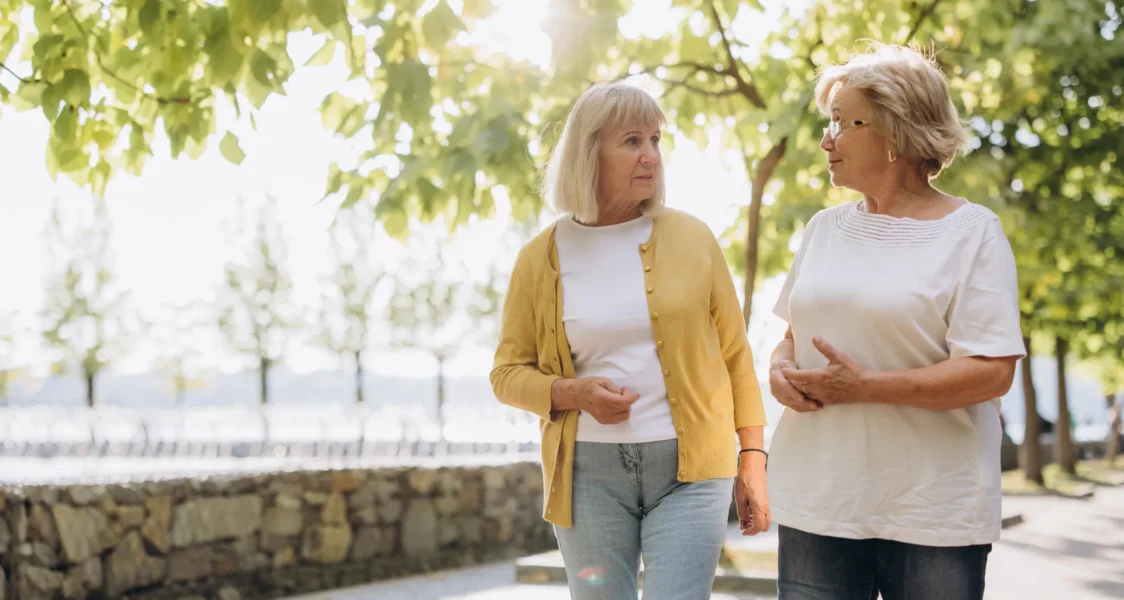
A person who moves through the morning with intention. Who participates in conversation with genuine curiosity. Who tends to something—a plant, a friendship, a weekly card game—with the consistency that comes from having a reason to show up.
That kind of vitality doesn’t happen by accident. It is cultivated, day by day, through the wellness activities for seniors that give each day its shape. And what decades of research have made clear is that the activities available to an older adult—for movement, connection, creativity, purpose, and learning—are among the most significant determinants of how well the later years unfold.
Quick Answer: Wellness activities that improve senior health span seven interconnected dimensions: physical fitness, cognitive engagement, emotional wellbeing, social connection, creative expression, spiritual grounding, and purposeful living. The CDC recommends 150 minutes of moderate aerobic activity weekly for older adults. Regular activity reduces fall risk by 30%, lowers dementia risk by up to 45%, decreases depression, and preserves the independence seniors value most.
Key Takeaways
- 150 minutes of moderate aerobic activity per week—the CDC minimum for adults 65 and older
- Physical activity reduces fall risk by up to 30% and lowers dementia risk by up to 45%
- Approximately 1 in 4 older Americans aren’t getting the regular activity they need—yet the benefits begin immediately at any age
- Social engagement is as powerful for health as physical activity—loneliness carries risks equivalent to smoking 15 cigarettes a day
- Four types of activity matter: aerobic, strength, flexibility, and balance—each serving a distinct function
- At Koelsch Communities, Living Well® formally addresses all seven pillars through daily programming
Why Wellness Activities Matter—and What They Actually Do
The case for activity in older adulthood is among the most thoroughly documented findings in gerontological research. Physical activity reduces cardiovascular disease risk by 23–54%, lowers type 2 diabetes incidence by up to 58%, and may reduce dementia risk by up to 45% according to the Alzheimer’s Association. Falls—the leading cause of injury-related death among adults 65 and older—are reduced approximately 30% through regular balance and strength training.
And yet approximately 1 in 4 older Americans aren’t getting the activity they need—not primarily from lack of motivation, but from lack of access, infrastructure, and environment. The conditions of daily life shape whether activity happens. Knowing this matters for families thinking about what kind of living situation truly supports the people they love.
A Quick Reference: The Best Wellness Activities for Seniors
| Activity | Primary Benefits | Why It Works for Older Adults |
| Walking | Cardiovascular health, cognitive function, mood | Accessible at any fitness level; social when done with others |
| Swimming / water aerobics | Full-body strength, joint health | Low impact; highly adaptable |
| Tai chi | Balance, fall prevention, flexibility | Proven 20–45% fall risk reduction |
| Strength training | Muscle mass, independence, bone density | Prevents sarcopenia; preserves functional capacity |
| Yoga / stretching | Flexibility, posture, calm | Accessible at varying ability levels |
| Gardening | Purpose, fine motor skills, mood | Combines physical activity, creativity, and purpose |
| Brain games / puzzles | Cognitive reserve, memory | Crosswords, trivia—maintain neural connections |
| Creative arts | Emotional expression, cognitive stimulation | Painting, crafts, writing—reduce stress and increase fulfillment |
| Music engagement | Memory, emotional wellbeing | Particularly powerful in dementia care |
| Volunteering | Purpose, social connection, longevity | Most direct activation of the purpose pillar |
| Group social activities | Emotional health, cognitive protection | Card games, book clubs, shared meals |
| Faith and reflection | Spiritual grounding, resilience | Worship, contemplation, chaplaincy |
The Four Types of Physical Activity Older Adults Need
Aerobic Activity: The Foundation
Walking, swimming, dancing, and cycling—the CDC recommends 150 minutes minimum per week, and the National Institute of Diabetes, Digestive and Kidney Diseases (NIDDK) provides practical guidance for all ability levels. Beyond cardiovascular benefit, a single aerobic session increases blood flow to the hippocampus—the brain structure most damaged by Alzheimer’s disease. Regular aerobic activity increases hippocampal volume, improves memory, and reduces cognitive decline. For families with concerns about a loved one’s memory, this is among the most actionable protective factors available.
Strength Training: Preserving Independence
Muscle mass declines 3–8% per decade after age 30, accelerating after 60. Resistance training—even begun in the ninth decade of life—produces meaningful improvements in strength and functional capacity: the ability to rise from a chair, carry groceries, climb stairs, and recover from a stumble before it becomes a fall. These are the specific capabilities that determine independence. Strength training twice weekly preserves them in ways that aerobic activity alone cannot.
Flexibility: Comfortable Daily Movement
As connective tissue loses elasticity, ordinary activities—reaching, turning, dressing—become more effortful. Stretching, yoga, and tai chi address this directly, also improving posture, breathing, and the quality of social engagement. Flexibility work is gentle enough to be appropriate for virtually all older adults and significant enough to be genuinely non-negotiable.
Balance Training: The Most Direct Path to Fall Prevention
Tai chi has been extensively studied for fall prevention, consistently demonstrating 20–45% reductions in fall incidence. Balance exercises also address fall fear—which is itself a health risk, restricting activity, limiting social engagement, and compounding physical decline. The goal is not merely preventing falls but restoring the confidence to move freely and be fully present in one’s own life.
The 7 Pillars of Living Well
Physical activity is foundational—but not sufficient. At Koelsch Communities, Living Well® is a proprietary seven-pillar programming framework that addresses every dimension of genuine senior wellbeing, every day.
Pillar 1—Physical Vitality
Walking groups, adapted fitness classes, aquatics, and movement built into daily community life—with each resident’s program connected to their personal history and preferences rather than treated as a generic checklist. Starting where you are matters: a five-minute walk taken consistently is worth more than a theoretical thirty-minute walk that never happens.
Pillar 2—Cognitive Engagement
The brain remains plastic throughout life, and deliberate cognitive stimulation—learning, problem-solving, reminiscence—supports both cognitive reserve and day-to-day functioning. Historical Surprises® is Koelsch’s proprietary memory-stimulation programming that engages residents through meaningful historical experiences and reminiscence activities. Memory is not merely a function to be preserved. It is the repository of identity itself.
Pillar 3—Emotional Wellbeing
Depression affects approximately 7% of adults over 65 and is significantly underdiagnosed. Activity addresses emotional health through neurochemistry (increased serotonin and dopamine, decreased cortisol) and through the sense of accomplishment that comes from physical and creative engagement. But emotional wellbeing also requires direct attention—spaces for honest conversation, support for grief, and care environments that treat the emotional life of each resident as real and important.
Pillar 4—Social Connection
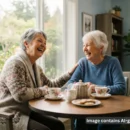
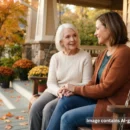
Social isolation is associated with a 29% increased risk of heart disease and a 32% increased risk of stroke. Loneliness is as harmful as smoking 15 cigarettes a day. In a senior living community, social connection is built into the structure of daily life—shared meals, group activities, familiar faces—in ways that isolated living simply cannot replicate.
Pillar 5—Creative Expression
Research on arts, crafts, and horticultural activities has found significant improvements in physical, mental, and social health in older adults—with horticultural activities in particular reducing depression across all three dimensions simultaneously. Creative engagement activates the “flow” state associated with resilience and life satisfaction. Creating something gives form to experience and produces an expression of self that exists beyond the body.
Pillar 6—Spiritual Grounding
Older adults who report meaningful spiritual lives have better health outcomes, greater resilience, lower rates of depression, and stronger community connections. Spirituality—whether through religious practice, contemplation, nature, or values—addresses the existential questions that later life raises with particular intensity: questions of meaning, legacy, and what a well-lived life has amounted to.
Pillar 7—Purposeful Living
Research published in JAMA Psychiatry found that a high sense of purpose significantly reduces the risk of Alzheimer’s disease and mild cognitive impairment, even after controlling for other health variables. Volunteering and gardening are among the most powerful purpose-activating activities available to older adults—they consistently produce measurable improvements in longevity, physical health, and cognitive function. Purpose is the dimension that separates communities that sustain residents from those that merely serve them.
The Days That Add Up
The research on activity and senior health ultimately describes something most people already understand intuitively: the quality of a life is determined by the accumulated weight of ordinary days—by whether they contain movement, connection, meaning, creativity, and engagement.
A person who walks for thirty minutes with a friend, who spends an afternoon tending her garden or painting or playing cards, who participates in a conversation that matters and ends the day with a sense of having been genuinely present in her own life—that person is doing exactly what research confirms makes lives longer, healthier, and more fully lived.
These are not dramatic interventions. They are the ordinary texture of a well-structured day. And creating the conditions for those days—day after day, season after season—is one of the most important things a senior living community can do for the people who choose to make it their home.
About Koelsch Communities
Koelsch Communities has been honoring seniors since 1958—offering independent living, assisted living, and memory care across multiple states. With more than 65 years of experience, Koelsch brings warmth, expertise, and a deep commitment to treating every resident as a lady or gentleman deserving of the finest care. Living Well® is Koelsch’s formal programming framework, built around seven pillars of senior wellbeing—physical vitality, cognitive engagement, emotional health, social connection, creative expression, spiritual grounding, and purposeful living. We invite you to reach out to our team, schedule a personal tour, or explore our communities online. At Koelsch, the conversation starts whenever you’re ready—and we’ll be here.