
Making the Holidays Meaningful When a Loved One Has Memory Loss

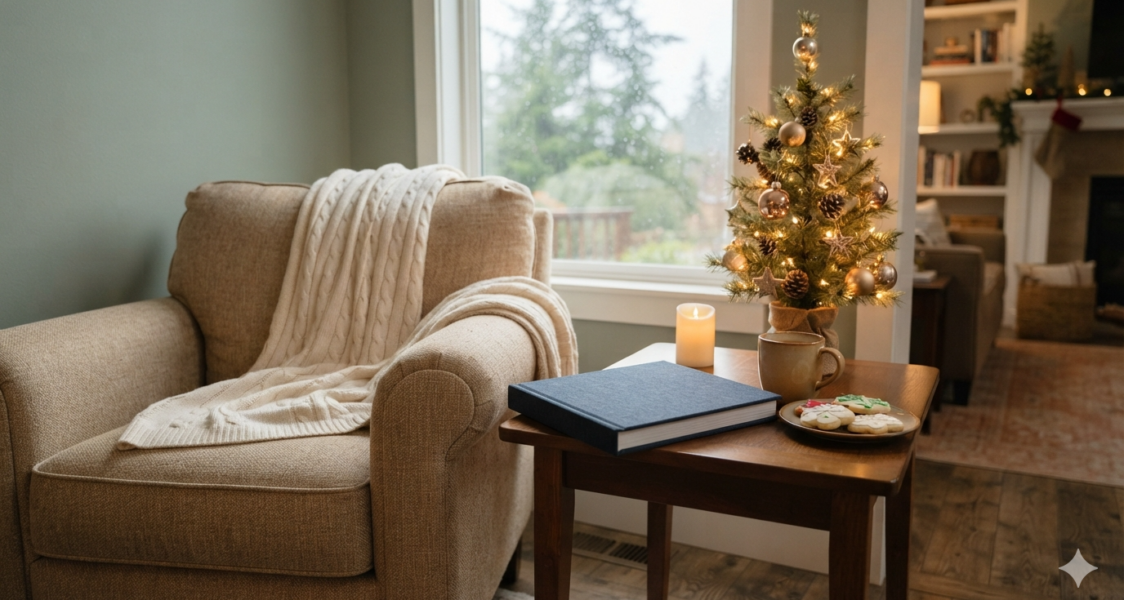
The holidays gather a family’s history into a single season: the recipes passed down, the songs sung every year, the familiar faces around a familiar table. When someone you love is living with Alzheimer’s disease or another form of dementia, that season can feel different. Traditions that once came easily may now overwhelm. You may find yourself grieving the celebrations you remember even as you plan the ones ahead.
Making the holidays meaningful when a loved one has memory loss is still possible. It asks for a different kind of preparation, one centered on comfort, familiarity and presence rather than perfection.
Why Making the Holidays Meaningful Looks Different With Memory Loss
Your family is far from alone. More than 7 million Americans are living with Alzheimer’s, and nearly 13 million Americans provide unpaid care for a family member or friend with dementia, according to the Alzheimer’s Association.
The Alzheimer’s Association also notes that a person living with dementia may feel a special sense of loss during the holidays, while caregivers may feel overwhelmed by maintaining traditions while providing care. Crowded rooms, late evenings and broken routines can leave a person with memory loss disoriented or anxious, especially later in the day, when many people living with dementia become more confused or restless. Our Dementia Caregivers Toolbox offers deeper guidance on these changes.
Celebrating the Holidays With Someone Who Has Dementia
Adjust Expectations Early
The National Institute on Aging encourages caregivers to understand that things will be different and to be realistic about what you can do. Choose the traditions that matter most and let the rest go without guilt. A smaller celebration done well often means more than a full one that leaves your loved one exhausted.
Choose the Right Time of Day
Plan the centerpiece of the holiday for late morning or early afternoon, when many people with memory loss are at their most settled. A holiday brunch can carry the same warmth as an evening dinner. Keep mealtimes, medications and rest periods as consistent as possible.
Keep Gatherings Small and Calm
The NIA recommends limiting the number of visitors at any one time and avoiding crowds, changes in routine, and strange places that may leave the person feeling confused or nervous. Invite family in smaller groups across several days, and keep music soft and lighting steady.
Including a Loved One With Dementia in Family Gatherings
Prepare Your Guests
A short call or note beforehand spares everyone discomfort. Let relatives know what changes to expect, and share a few simple guidelines:
- Greet your loved one warmly and introduce yourself by name. Don’t ask, “Do you remember me?”
- Avoid correcting mistaken names, dates or details.
- Speak slowly, one person at a time.
- Respond to feelings rather than facts. “You’re safe, and we’re so glad you’re here” helps more than any correction.
If preparing relatives feels difficult, our guide on how to have the hard conversation may help.
Create a Quiet Retreat
The NIA suggests setting up a quiet space in case your loved one needs a break, with their favorite activities or calming music there. Imagine a grandmother who grows quiet as the living room fills. Twenty minutes in a peaceful room with one grandchild and a photo album may become the moment she enjoys most.
Keeping Traditions Alive When a Loved One Has Dementia
Traditions don’t have to disappear. They can be distilled to their essence. The NIA encourages families to incorporate the holiday traditions of the person with Alzheimer’s. That holds whether your family observes Christmas, Hanukkah, Kwanzaa, Lunar New Year or a celebration all its own.
| Traditional Celebration | Memory-Friendly Adaptation |
| Hosting a large holiday dinner | A smaller midday meal with a few close family members |
| Baking the full holiday menu | Preparing one cherished family recipe together |
| Decorating the entire house | Trimming a tabletop tree with familiar, unbreakable ornaments |
| Attending a long religious service | Listening to a favorite hymn, prayer or seasonal song at home |
| Opening gifts all at once | Unwrapping one or two gifts at a time, at a relaxed pace |
Holiday Activities for People With Memory Loss
The best activities match your loved one’s abilities today. Follow their lead, and gently move on if something becomes frustrating.
| Stage | Meaningful Holiday Activities |
| Early stage | Helping plan the menu, writing cards together, choosing gifts for grandchildren, short outings to see lights |
| Middle stage | Setting the table, sorting ornaments, measuring and mixing ingredients, decorating cookies, singing familiar carols |
| Late stage | Listening to favorite music, a gentle hand massage, holding a soft blanket, watching twinkling lights, quiet companionship |
The Power of Familiar Music
Music often reaches people when words cannot. Research from Anglia Ruskin University found that individually tailored music therapy can bring an immediate, short-term reduction in agitation and anxiety for people with advanced dementia, and that songs from ages 10 to 30 are the most effective. A playlist built around the songs of your loved one’s youth may bring smiles, recognition and even a few remembered lyrics.
Holiday Safety Considerations Families Often Overlook
- Decorations: Secure trees and lights so they cannot tip. Use flameless candles, and keep cords and garlands off walkways.
- Wandering: Busy households and opening doors make it easy to slip outside unnoticed. Assign one family member at a time as your loved one’s companion.
- Food and drink: Ask the physician or care team about alcohol, medication timing and any swallowing concerns before the big meal.
- Travel: The NIA advises planning rest periods, keeping the person’s usual routine, and being prepared to cut a visit short if necessary.
Celebrating With a Loved One Who Lives in Memory Care
If your loved one lives in a memory care community, speak with the care team about the best times to visit and how your loved one has been feeling. Smaller visits across several days are often more comfortable than one large arrival. Sometimes the most meaningful choice is to bring the holiday to them: a favorite dish, a few familiar decorations and a song everyone knows. Keep goodbyes simple and warm.
Caring for Yourself Through the Season
According to the Alzheimer’s Association, 59 percent of dementia caregivers report high to very high emotional stress. Accept help when it’s offered. Make room for grief alongside gratitude. Keep one tradition for yourself: the NIA suggests finding time for holiday activities you enjoy and asking a friend or family member to stay with your loved one while you’re out. The Alzheimer’s Association helpline is available 24/7, even on holidays, at (800) 272-3900. Our resources on senior loneliness and comparing caregiving options can also help as you plan for the year ahead.
Holding On to What Matters Most
Memory loss changes many things, but it does not erase the love behind a family’s traditions. A song that brings a smile, a hand held during dinner, a quiet hour with a photo album: these moments are still within reach. You’ll find more guidance for families in our resources library.
About Koelsch Communities
At Koelsch, we are memory care specialists. We have stand-alone, purpose-built communities focused exclusively on persons with dementia, nurses on-site 24/7, and over sixty years of senior living experience. We bring a relentless pursuit of dignified living, with details that make a difference: Living Well® programming, Historical Surprises®, extra-wide hallways, multiple dining locations based on acuity level, music therapy, and Humanitude® care techniques. We are committed to serving and caring for your family as our own, with communities solely focused on distinctive memory care.
We invite you to reach out to our team, schedule a personal tour, or explore our communities online. At Koelsch, this place is for you—and we are honored to be there in this moment and every moment that follows.